


문보리 MOON BORI
본문
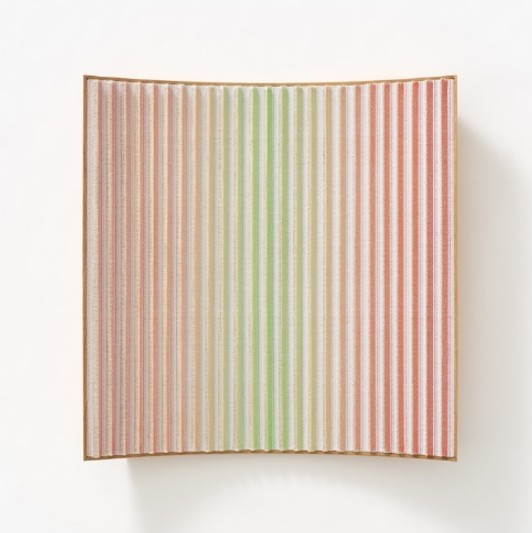
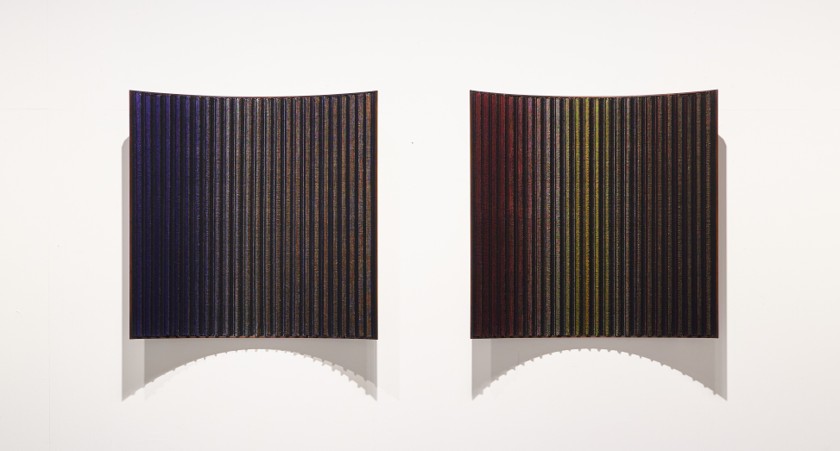
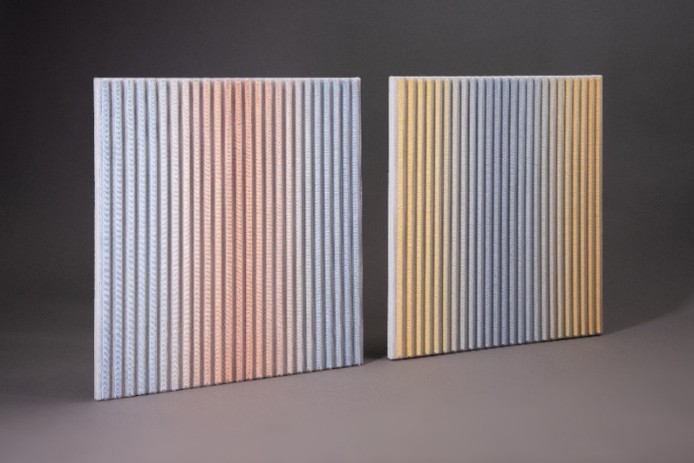
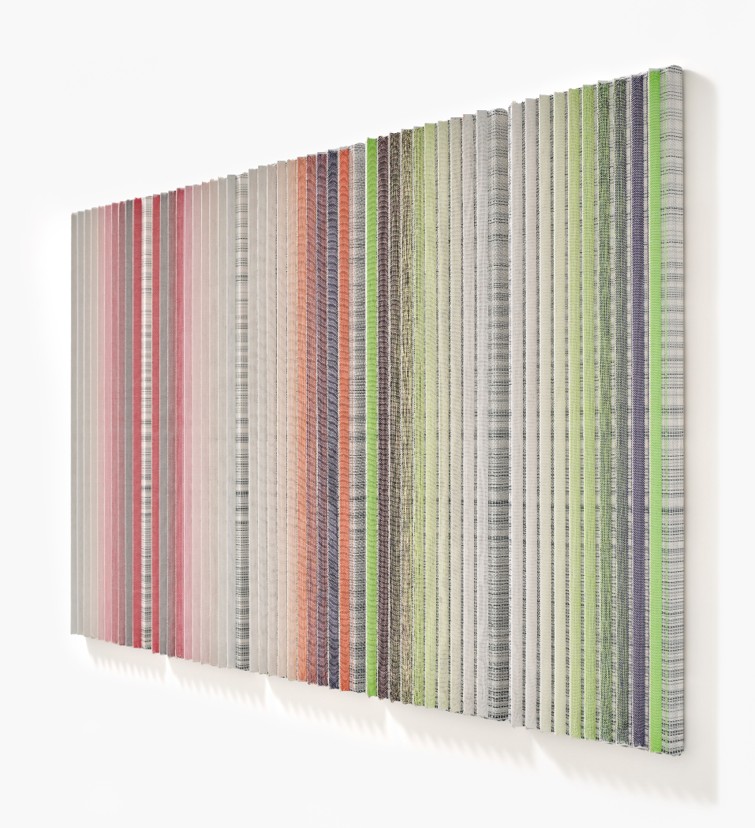
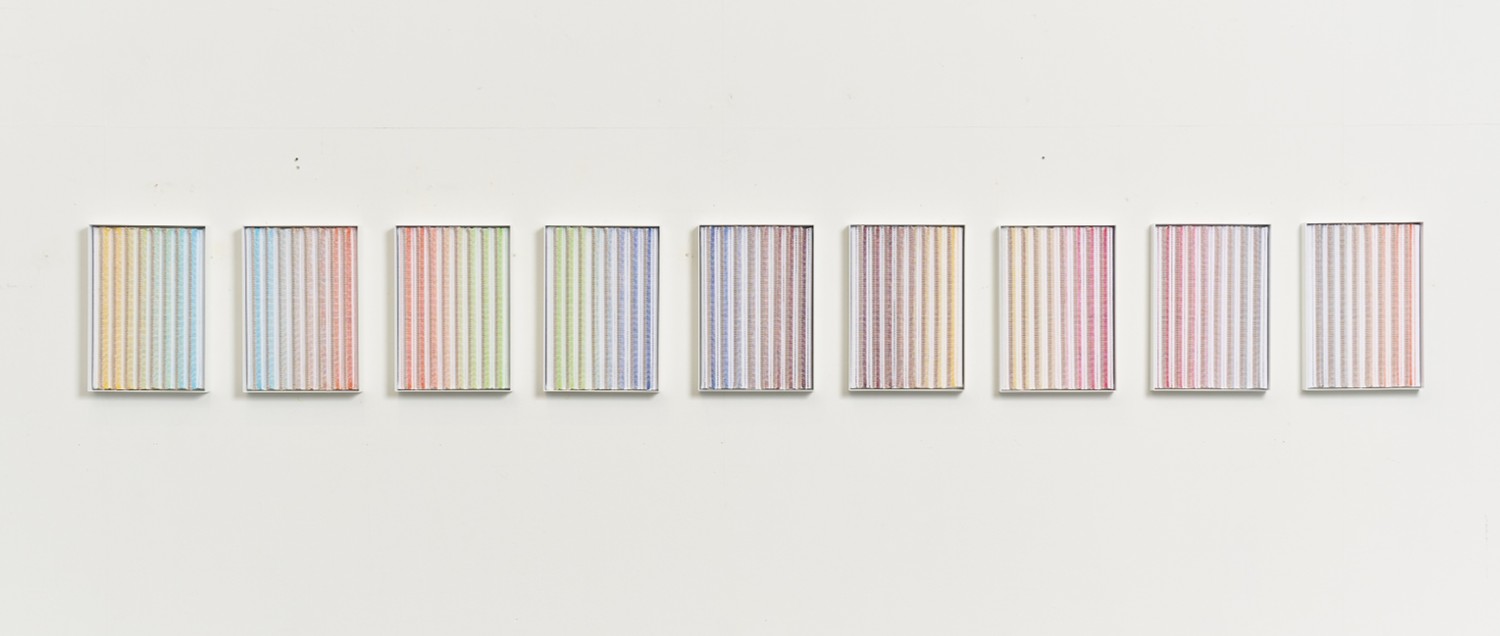
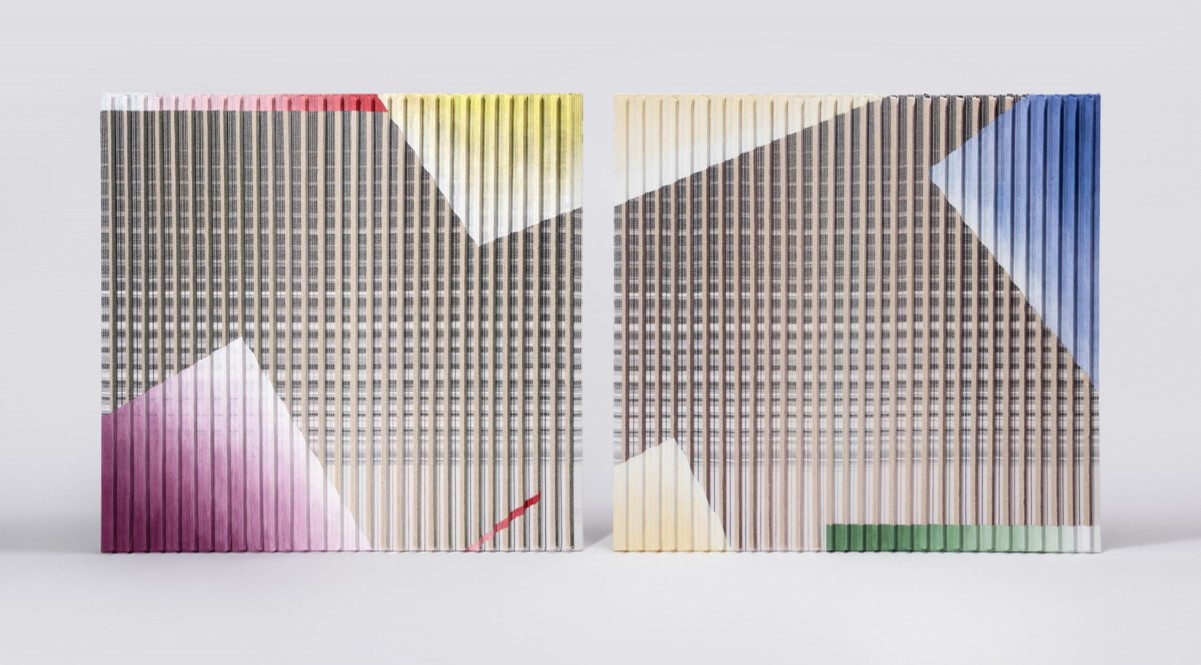
직조는 오랜 역사를 거쳐 온 아날로그적 기술방식이지만 다른 한편으로는 컴퓨터의 기원이자 디지털신호와 같은 형식을 취하고 있다. 나는 직조를 데이터를 물질로 번역하는 하나의 체계이자, 오래된 정보 기술로 바라본다. 계산과 반복, 패턴에 기반한 직조의 매커니즘은 컴퓨터 알고리즘과 깊이 연결되어 있으며, 나의 작업은 이러한 직조와 디지털 기원을 탐구하면서 아날로그와 디지털, 물질과 비물질, 신체적 노동과 컴퓨팅 사이의 관계를 재사유하는 것에 근거한다.
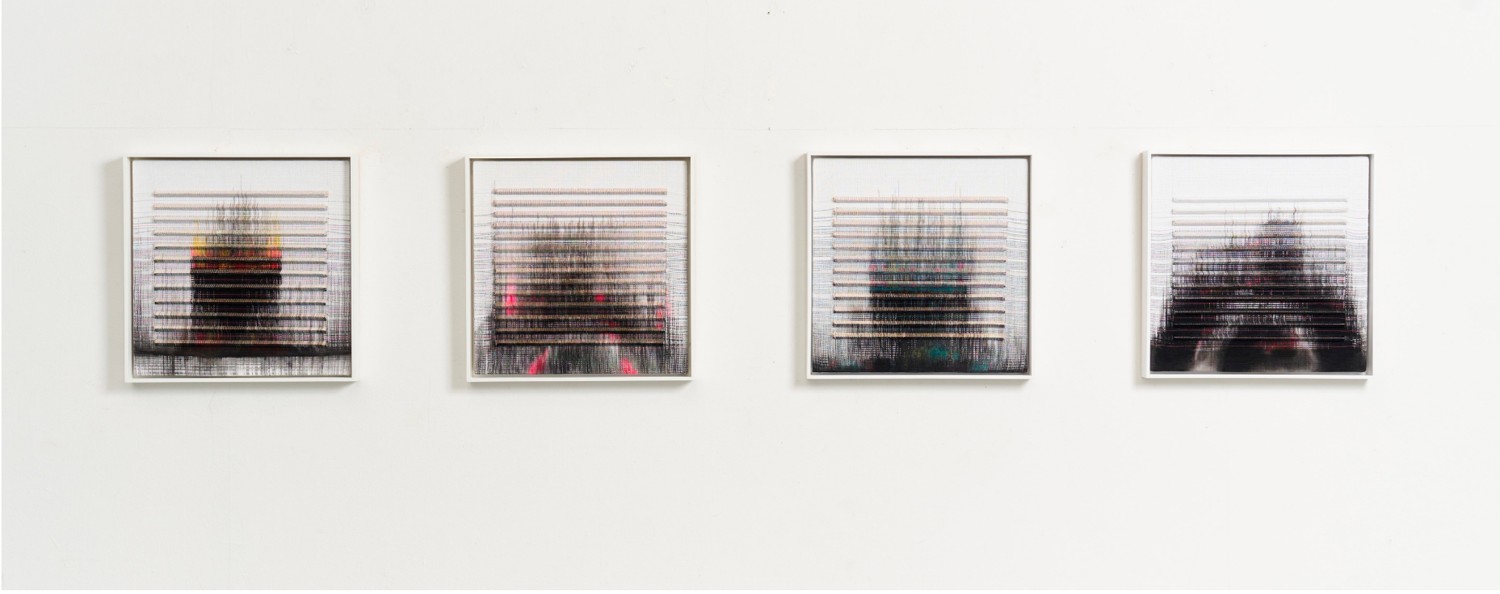
나는 직물을 단순한 물질이 아니라 이미지와 신호, 시간의 층위를 전달하는 매체로 본다. 소리를 채집하여 이를 색과 물질로 전환하는 직조조형작업, 인터랙티브 발광직물 조형, 직조를 기반한 프로젝션 맵핑작업 등 직조와 미디어가 융합된 작업들을 선보이고 있다. 특히, 사운드, 센서, 코딩 을 결합하여 감각 정보의 전이와 변환 과정을 탐구한다. 특정 장소에서 채집한 소리는 알고리즘을 통해 색과 빛의 데이터로 변환되고, 이는 다시 직조된 물질 위에서 시각적, 공간적 경험으로 구현된다. 이 과정에서 컴퓨팅은 사유하는 손과 신체를 연결하는 매개적 역할로 기능하며 나는 이를 통해 청각, 시각, 촉각이 분리되지 않고 상호 침투하는 감각의 연속성을 드러내고자 한다.
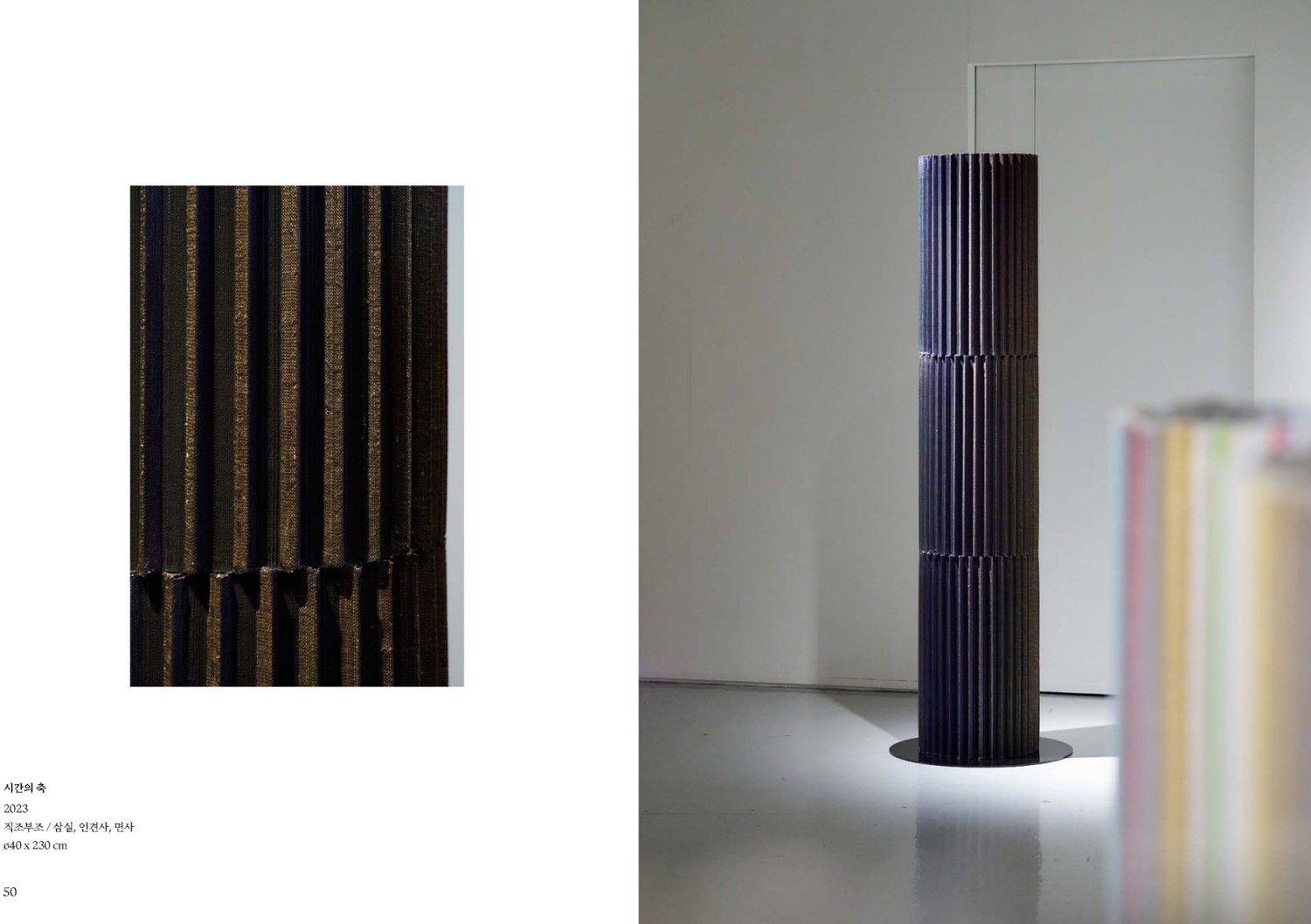
나는 작업의 주재료이자 영감의 원천이 되는 한국의 대표적인 길쌈마을들을 다니며 재료를 수집하고 전통소재에 대해 기록하고자 하였다. 특히 안동 금소마을에서 전통 삼실을 접한 이후, 나의 작업은 직조가 지닌 사회적, 역사적 층위로 확장되었다. 여성의 노동, 공동체의 기억, 사라져가는 토착적 직조 기술을 기록하고 번역하는 일은 단순한 보존을 넘어, 지역과 시대를 초월해 공유될 수 있는 ‘알고리즘적 유산’을 활성화하는 실천으로 받아들여졌다. 이는 토착적 지식과 현대 기술이 공존하며 미래로 이어지는 감각적이고 정서적인 데이터의 형태이기도 하다.
나의 작업에서 직조는 효율과 최적화를 지향하지 않는다. 역사와 서사를 기록하고, 설계하고, 쌓고 교차하는 행위가 반복을 기반한 수행과정이다. 작업은 핸드 위빙을 통해 신체의 리듬이 물질에 고스란히 투영되어 일치되는 지점들을 찾아가기도 하며 물질이 만들어내는 저항을 직접적으로 드러내기도 한다.
오래된 전통의 유산처럼 이어오는 직조를 데이터의 기록으로 보고 이를 물질화하는 나의 작업을 통하여 과거와 현재, 인간과 기술, 물질과 비물질의 층위가 수평적으로 공존하는 시간을 구성하고자 한다. 이러한 시간 감각 속에서 직조는 더 이상 과거의 기술이 아니라, 지금-여기에서 살아 있는 동시대적 실천으로 작동한다.
Weaving is an analog practice shaped through a long history, yet it can also be understood as an early form of computation, closely aligned with the logic of digital signals. I approach weaving as a system that translates data into material form—as an early information technology. Grounded in calculation, repetition, and pattern, the mechanisms of weaving are deeply connected to computational algorithms. My practice explores these digital origins embedded in textile structures and reconsiders the relationships between analog and digital, material and immaterial, bodily labor and computing.
I have sustained a long-term practice in weaving-based textile art, expanding its expressive range through the integration of computing, including light-based materials such as EL wire, optical fiber, and sensors. I regard textiles not simply as material objects, but as media that transmit images, signals, and layered temporalities. My work brings together weaving and media through practices such as woven reliefs that translate collected sound into color and material, interactive illuminated textile structures, and weaving-based projection mapping installations. In particular, I integrate sound, sensors, and coding to investigate the translation and transformation of sensory information. Sounds collected from specific sites are algorithmically converted into data such as color and light, which are then materialized through woven structures as visual and spatial experiences. In this process, computing functions as a mediating interface that connects the thinking hand and the body, through which I aim to reveal a continuity of perception in which auditory, visual, and tactile senses are not separated but mutually interpenetrate.
I traveled to traditional weaving villages in Korea to collect materials and document textile practices that serve as a primary source of inspiration for my work. Encountering traditional hemp yarn in Andong marked a turning point in my work, leading to a deeper engagement with the social and historical dimensions of weaving, including women’s labor, collective memory, and disappearing craft practices. This research is approached not as preservation alone, but as the activation of an algorithmic heritage that allows indigenous knowledge and contemporary technologies to coexist and extend across time and place.
In my practice, weaving does not pursue efficiency or optimization. Acts of recording, designing, layering, and intersecting history and narrative include a repetitive, contemplative practice. Through hand weaving, bodily rhythm is directly inscribed into material, revealing moments of alignment alongside the material’s inherent resistance.
By approaching weaving, sustained as a traditional heritage, as a system of data recording and materialization, my work aims to articulate a horizontal temporality in which past and present, human and technological, material and immaterial layers coexist. Within this temporal understanding, weaving is repositioned not as a historical technique but as a living contemporary practice.
「To : You」
「ARTBUSAN 2026」
May 21–24, 2026
- 다음글김미숙 KIM MISUK 26.04.25